Continental climates
Far from the sea: hot summers, hard winters, and a lot of trees.
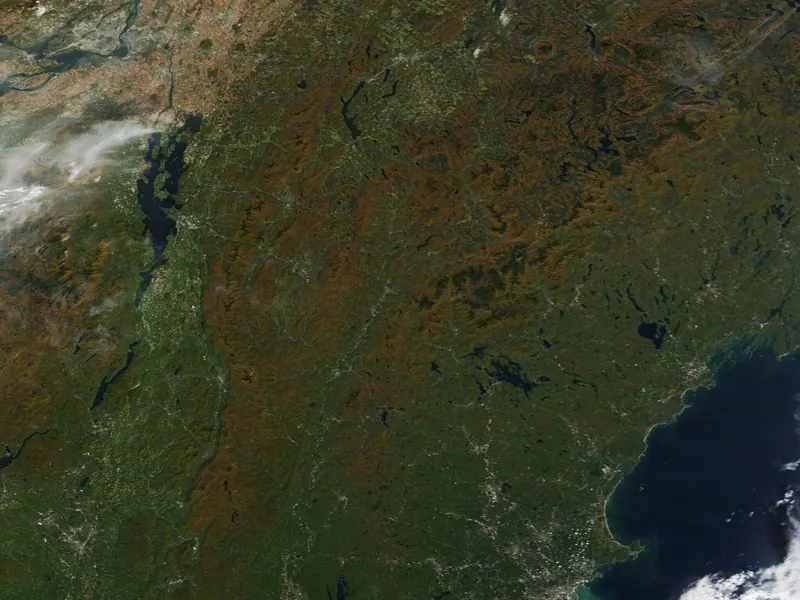
Away from the sea
Continental climates are like temperate ones but with bigger extremes, because they sit far inland, away from the calming effect of the sea. Met Office: Climate zones
Rule for D: warmest month 10 °C or more, coldest month −3 °C or lower. Encyclopaedia Britannica: Köppen climate classification
Continental climates are mostly in the interiors of Canada and Russia, with some in the northern USA. Met Office: Climate zones
D climates are almost all in the northern hemisphere, because the southern hemisphere has hardly any land at those latitudes. Encyclopaedia Britannica: humid continental climate
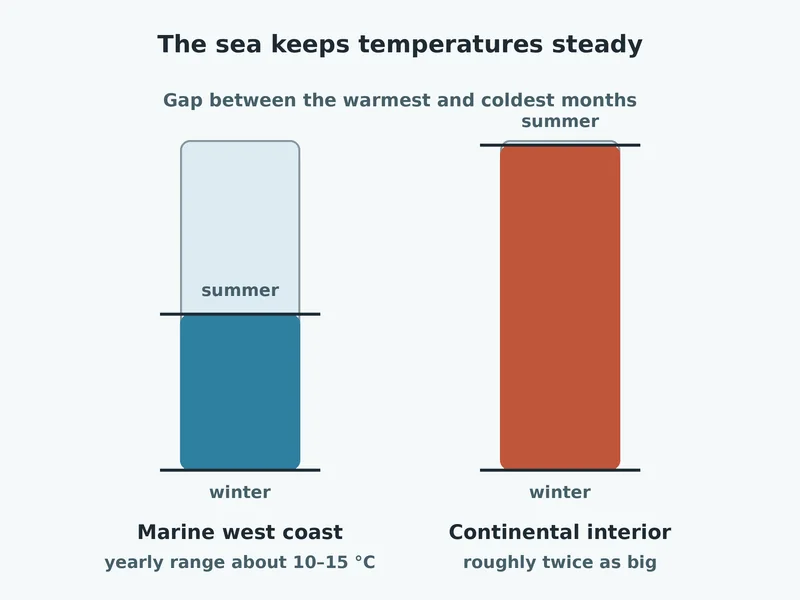
On marine west coasts the yearly temperature range is only about 10–15 °C, roughly half that of the continental interior at the same latitude. Encyclopaedia Britannica: marine west coast climate
Humid continental (Dfa, Dfb, Dwa, Dwb)
Humid continental climates have big swings between hot summers and cold winters. Encyclopaedia Britannica: humid continental climate They are found between 30° and 60° north in central and eastern North America and Asia. Encyclopaedia Britannica: humid continental climate
Humid continental climates are Dfa, Dfb, Dwa and Dwb. Encyclopaedia Britannica: humid continental climate
Snow often lies continuously for one to four months in many parts. Encyclopaedia Britannica: humid continental climate The frost-free season lasts from under 150 to about 200 days a year. Encyclopaedia Britannica: humid continental climate
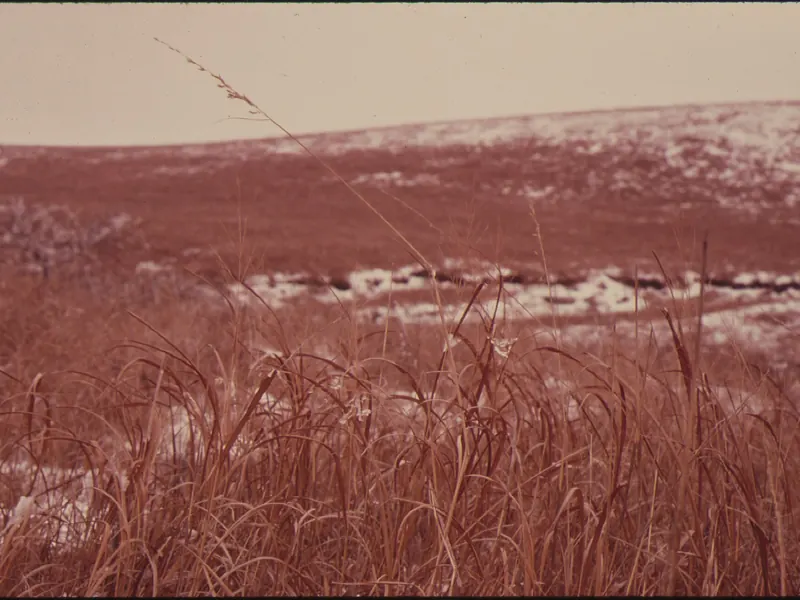
Subarctic and the taiga (Dfc, Dfd, Dwc, Dwd)
The continental subarctic climate is Dfc, Dfd, Dwc and Dwd. Encyclopaedia Britannica: Köppen climate classification
The taiga, or boreal forest, is the great northern forest of cone-bearing evergreen trees, with long winters. Encyclopaedia Britannica: taiga Taiga is Russian for “land of the little sticks”. Encyclopaedia Britannica: taiga
The taiga covers about 17 per cent of Earth’s land, in a belt around the far north. Encyclopaedia Britannica: taiga
Its trees are mostly pine, spruce, larch and fir, and they reach further north than any other trees on Earth. Encyclopaedia Britannica: taiga
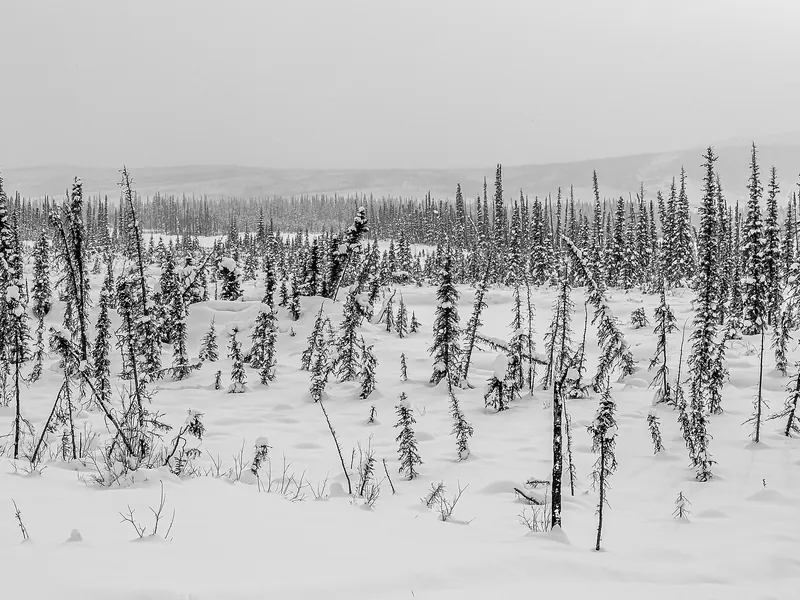
d: the coldest month is below −38 °C. Encyclopaedia Britannica: Köppen climate classification